
Chapter One: When a Home Begins to Ask for More
Every home reaches a moment when it quietly begins to feel different. The walls remain the same, yet daily routines become more complicated. A dining table doubles as a workspace, a guest room transforms into a permanent bedroom, and once-open living areas begin to feel increasingly crowded. The house has not changed—but the lives unfolding within it certainly have.
For many homeowners, the first instinct is to consider moving. A larger property appears to promise immediate relief from limited space. Yet relocating also means leaving behind familiar neighborhoods, established routines, and the memories attached to a place that has gradually become part of the family’s story.
This is often the moment when thoughtful expansion becomes more meaningful than replacement.
Rather than searching for another house, many families choose to rediscover the one they already own. Carefully planned room additions allow a home to evolve alongside the people living in it, providing additional space while preserving the comfort, familiarity, and architectural identity that make the property unique.
“The finest homes are not always the largest—they are the ones that continue to grow with the people who live inside them.”
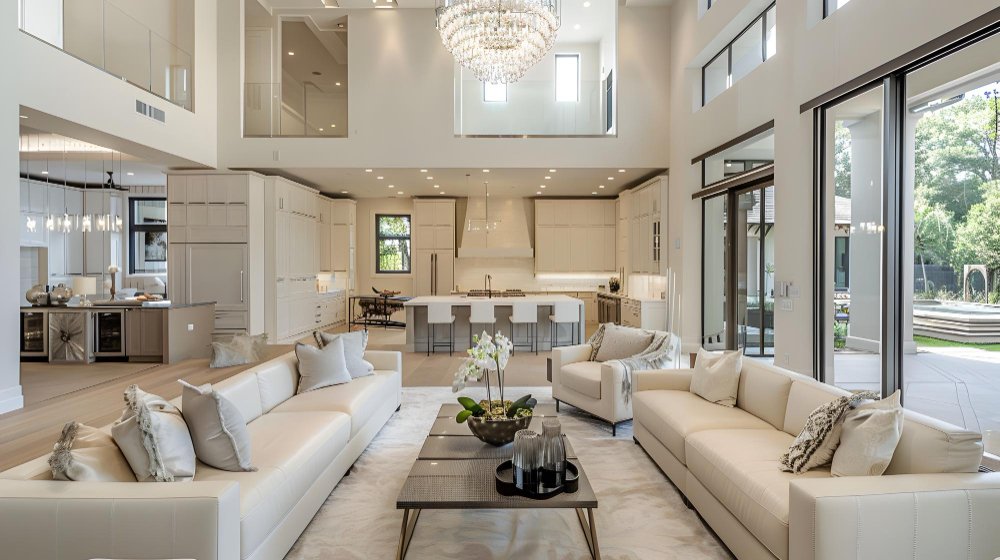
Adding a new bedroom, expanding a kitchen, creating a dedicated home office, or designing a spacious family room is never simply about increasing square footage. Each new room becomes another chapter in the home’s ongoing story, carefully connected to everything that came before it.
Chapter Two: Designing Space That Feels Meant to Be There
The greatest challenge of any home addition is not construction itself—it is creating new space that feels as though it has always belonged.
A successful addition respects the home’s existing architecture instead of competing with it. Rooflines continue naturally. Window proportions remain balanced. Exterior materials complement the original structure, while interior finishes transition so seamlessly that visitors often struggle to identify where the original home ends and the new living space begins.
Exceptional design rarely announces itself. Instead, it creates a quiet sense of harmony.
This level of integration requires more than construction expertise. It begins with careful planning that considers structural engineering, natural light, circulation patterns, future maintenance, and the way every room connects to the next.
Experienced home expansion experts approach each project as both designers and problem-solvers. Before a single wall is framed, they evaluate foundation capacity, roof structure, utility systems, site conditions, and local building requirements. Every decision influences not only the appearance of the finished addition but also its long-term performance.
The question is never simply, “How much space can be added?” Instead, it becomes, “How can this home function more beautifully for decades to come?”
Sometimes the answer lies in expanding outward, creating generous family rooms, larger kitchens, or private guest suites that open naturally into outdoor living spaces. In other situations, building upward allows homeowners to preserve valuable yard space while introducing entirely new levels of living without altering the property’s footprint.
Regardless of the direction, successful expansion always serves everyday life rather than architecture alone.
Chapter Three: Building for the Life Still Ahead
The true value of additional living space cannot be measured only in square feet. It is found in quieter mornings, easier family gatherings, more comfortable workdays, and the flexibility to adapt as life continues to change.
Modern additions frequently provide opportunities to improve the entire home’s performance. Better insulation, high-efficiency windows, advanced air sealing, and updated mechanical systems contribute to greater comfort while reducing long-term operating costs. Sustainable materials and thoughtful orientation can also enhance natural lighting, allowing interiors to feel brighter and more connected to the surrounding landscape.
Luxury often reveals itself not through excess, but through spaces that feel effortless to live in.
Financially, a carefully designed addition may also strengthen long-term property value, particularly when it introduces highly desirable living areas such as primary suites, expanded kitchens, or flexible multi-purpose rooms. More importantly, however, it extends the usefulness of a home that already holds years of personal history.
When thoughtfully designed, room additions become far more than construction projects. They preserve neighborhoods families love, protect investments already made, and allow homes to mature naturally alongside changing lifestyles.
Guided by experienced home expansion experts, homeowners are able to look beyond immediate space limitations and imagine what their homes might become—not by abandoning the past, but by carefully building upon it.
In the end, the most meaningful homes are rarely those that were finished all at once. They are the homes that continue evolving with intention, adding new spaces that honor every chapter while quietly preparing for the ones still waiting to be written.