
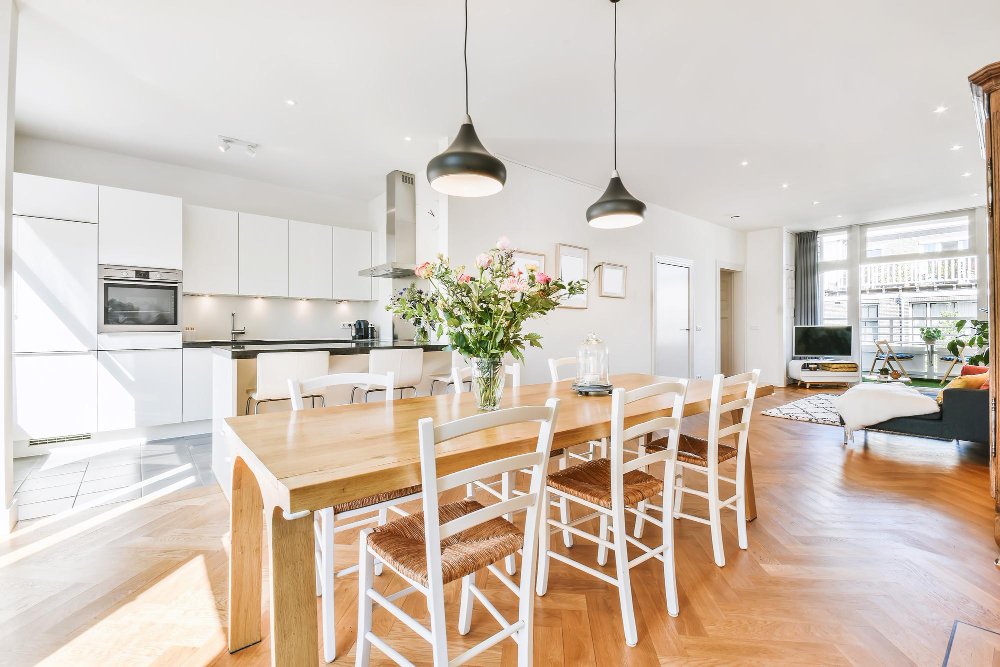
Have you ever walked into a beautifully renovated kitchen and wondered why it feels so inviting? Surprisingly, it isn’t always the cabinetry, countertops, or appliances that make the biggest impression. More often than not, it’s the lighting working quietly in the background.
A thoughtfully designed lighting plan transforms how your kitchen looks, feels, and functions. It makes meal preparation easier, highlights beautiful finishes, creates a welcoming atmosphere, and even makes the room appear larger. The best part? Many professional techniques can be incorporated into almost any kitchen renovation.
Great lighting isn’t about making a room brighter—it’s about placing light exactly where you need it.
“The most successful kitchens don’t rely on a single light fixture. They layer light to create comfort, function, and atmosphere.”
Start by Thinking in Layers, Not Fixtures
One of the biggest secrets professional kitchen lighting installers understand is that no single fixture can do every job. Instead of depending on one ceiling light, they create multiple layers of illumination that work together throughout the day.
Ask yourself this: do you use your kitchen the same way while making morning coffee as you do when preparing dinner or entertaining guests? Probably not. That’s exactly why layered lighting makes such a difference.
A balanced lighting plan usually includes:
- Ambient lighting to illuminate the entire room.
- Task lighting for food preparation, cooking, and cleanup.
- Accent lighting to highlight architectural details or decorative features.
When these layers are combined, your kitchen becomes more comfortable throughout the day while reducing shadows in work areas.
Quick Tip:If your countertops cast shadows while you’re cooking, under-cabinet LED lighting is often one of the most effective upgrades you can make.
Another important consideration is color temperature. Warm white lighting creates a cozy atmosphere that’s perfect for dining and entertaining, while cooler white light often works better for food preparation because it improves visibility.
Many homeowners now install dimmers throughout the kitchen, allowing them to adjust brightness depending on the activity. Preparing dinner, enjoying family meals, or hosting guests each benefits from a different lighting level.
Highlight the Features You Want People to Notice
Lighting isn’t just functional—it also directs attention. Professional installers carefully position fixtures to showcase the elements that make your kitchen unique.
For example, pendant lights naturally draw attention to a kitchen island, while under-cabinet lighting highlights beautiful countertops and backsplashes. Interior cabinet lighting can transform glass-front cabinets into elegant display spaces without overwhelming the room.
Natural light also deserves consideration. During the day, windows may provide plenty of illumination, but sunlight changes throughout the afternoon and evening. A well-designed lighting plan complements daylight rather than competing with it.
Don’t overlook reflective surfaces either. Quartz countertops, polished tile, stainless steel appliances, and glass backsplashes all interact differently with light. Proper fixture placement helps minimize glare while enhancing texture and depth.
Small adjustments often create dramatic improvements. Simply relocating a recessed fixture or choosing a wider beam angle can produce a much more balanced appearance.
Homeowners should also think beyond the kitchen itself. If your kitchen opens into dining or living spaces, coordinating lighting styles throughout the connected areas helps create a cohesive, welcoming environment.
A Few Professional Secrets That Make a Big Difference
Experienced installers know that successful kitchen lighting begins long before fixtures are selected. Planning should always consider cabinet placement, appliance locations, ceiling height, natural light, and how the family actually uses the space every day.
Some of the most effective professional recommendations include:
- Position recessed lights over walkways instead of directly behind the person working at the counter.
- Use dimmers on multiple lighting zones for greater flexibility.
- Select fixtures that complement the kitchen’s architectural style.
- Keep decorative lighting proportional to island and room size.
- Combine aesthetics with energy-efficient LED technology.
It’s also worth remembering that brighter isn’t always better. Over-lighting a kitchen can create harsh reflections and make the room feel less inviting. Balanced illumination almost always produces a more comfortable result.
When every layer works together, your kitchen feels brighter where it should, softer where it matters, and more enjoyable from morning until late evening.
Whether you’re planning a complete renovation or simply updating your lighting, thoughtful design can completely change the way you experience your kitchen. Sometimes the most noticeable transformation isn’t adding more light—it’s using light more intelligently.